Table of Contents
Zimbabwe National Cricket Team vs Pakistan National Cricket Team Matches have created an interesting rivalry in international cricket, featuring dominant performances, surprising upsets, close finishes, and memorable individual achievements. The two teams have competed in Test matches, One Day Internationals (ODIs), and Twenty20 Internationals (T20Is), with Pakistan generally holding the stronger overall record while Zimbabwe has produced several notable victories.
Pakistan is known for its history of talented batters, fast bowlers, and match-winning spinners. Zimbabwe has developed competitive teams with technically sound batters, disciplined bowlers, and players capable of challenging stronger opponents. Their encounters have shown that reputation alone does not determine the outcome of an international cricket match.
The rivalry has included bilateral tours, international tournaments, and matches played in both countries. Zimbabwe’s home conditions can make contests challenging for visiting teams, while Pakistan’s pitches and bowling resources can provide a different test for Zimbabwe’s players. These differences add tactical interest to the rivalry across all three formats.
Overview of Zimbabwe vs Pakistan Cricket Matches
Zimbabwe and Pakistan have a long history of international meetings. Their first ODI encounters took place in the early 1990s, and their cricketing relationship has continued through different generations of players. Pakistan has often controlled the overall results, particularly in ODIs, but Zimbabwe has demonstrated its ability to win important matches.
The two sides bring different strengths to the contest. Pakistan traditionally relies on a combination of pace bowling, spin, and technically skilled batting. Zimbabwe often looks to build partnerships, maintain bowling discipline, and use familiar home conditions to create opportunities.
| Match detail | Information |
|---|---|
| Teams | Zimbabwe and Pakistan |
| International formats | Test, ODI, T20I |
| First ODI meeting | 1992 |
| Main venues | Zimbabwe and Pakistan |
| Common competitions | Bilateral series and international tournaments |
| Key factors | Batting partnerships, pace bowling, spin, fielding, and conditions |
Head-to-head statistics should always be separated by format. A team’s strong ODI record does not automatically mean it has the same advantage in T20Is or Test cricket. No-results, tied matches, and games decided by the Duckworth–Lewis–Stern method can also affect how records are presented.
Historical Background of the Rivalry
Pakistan and Zimbabwe began developing a regular international cricket rivalry after Zimbabwe established itself as a Test-playing nation. Their meetings expanded through bilateral tours and international competitions, giving players from both sides opportunities to compete in different conditions.
Pakistan entered many of these contests with an established reputation for producing fast bowlers and gifted batters. Its cricketing history includes players known for reverse swing, leg-spin, off-spin, aggressive stroke play, and strong performances under pressure. Zimbabwe, meanwhile, has produced respected international players who have helped the team compete against leading cricket nations.
The rivalry has not always followed a predictable pattern. Pakistan has frequently won matches comfortably, but Zimbabwe has also produced results that demonstrated the importance of preparation and execution. Upsets are particularly memorable because they challenge expectations and show how quickly a match can change.
Home conditions have played an important role. In Zimbabwe, teams may encounter surfaces that reward disciplined batting and accurate bowling. In Pakistan, conditions can vary considerably by venue, with pitches offering opportunities for both batters and bowlers. Teams that adapt quickly often gain an advantage.
Over the years, the rivalry has also changed with the evolution of cricket. ODI teams now place greater emphasis on scoring acceleration and flexible batting orders, while T20 cricket demands aggressive shot-making and precise bowling plans. These developments have influenced the strategies used by both sides.
Zimbabwe vs Pakistan ODI Match History
One Day Internationals have been a major part of this rivalry. The 50-over format requires teams to balance steady scoring with acceleration, while bowlers must protect boundaries and create wickets at important moments.
Pakistan has historically dominated the ODI head-to-head record. Records published by the Association of Cricket Statisticians and Historians listed 65 men’s ODIs through November 28, 2024, with Pakistan winning 56, Zimbabwe winning five, two ending in ties, and two producing no result. These figures illustrate Pakistan’s long-term advantage in the format.
However, the overall record does not mean every series has been one-sided. Zimbabwe produced a major surprise in November 2024 by winning the opening ODI of Pakistan’s tour by 80 runs under the DLS method. Pakistan then responded strongly, winning the second ODI by 10 wickets and the third by 99 runs to take the series 2–1.
The third match was particularly notable for Pakistan’s batting performance. Kamran Ghulam scored his maiden ODI century, making 103 runs, while Abdullah Shafique contributed 50. Pakistan posted 303 before bowling Zimbabwe out for 204. The result demonstrated how quickly a series can change after an unexpected opening defeat.
ODI matches between these sides often depend on the performance of the top order, the ability to build middle-over partnerships, and the effectiveness of the bowling attack during the final overs. A strong total can put pressure on the chasing team, but disciplined batting and a steady run rate can keep a contest alive.
Zimbabwe vs Pakistan Test Match History
Test cricket tests a team’s technique, patience, fitness, and tactical planning over several days. Pakistan and Zimbabwe have competed in Test series in both countries, with results shaped by pitch conditions and the balance between batting and bowling.
In Test matches, teams must build substantial first-innings totals and avoid losing wickets in clusters. Batters need to manage difficult spells, while bowlers must maintain pressure over long periods. A single partnership can change the direction of a match, particularly when a team is trying to recover after early wickets.
Pakistan’s history of producing high-quality fast bowlers and spinners has often made its attack a significant challenge. Zimbabwe has responded with determined batting performances and bowlers capable of exploiting favourable conditions. Test cricket also provides opportunities for teams to recover after a poor session, making patience and concentration essential.
Home advantage can be influential in this format. Teams familiar with local pitches may make better decisions about batting depth, bowling combinations, and when to attack. However, conditions alone do not guarantee success; teams still need to execute their plans and maintain consistency.
For readers comparing the two teams’ Test records, it is important to consider more than the number of victories. Draws, series outcomes, innings victories, and performances away from home all provide useful context. A full statistical comparison should use an up-to-date Test head-to-head database rather than assuming ODI records apply to the longer format.
Zimbabwe vs Pakistan T20 International Matches
T20 Internationals bring a faster and more unpredictable dimension to the rivalry. With only 20 overs per innings, teams have less time to recover from a poor start, and a single over can make a substantial difference.
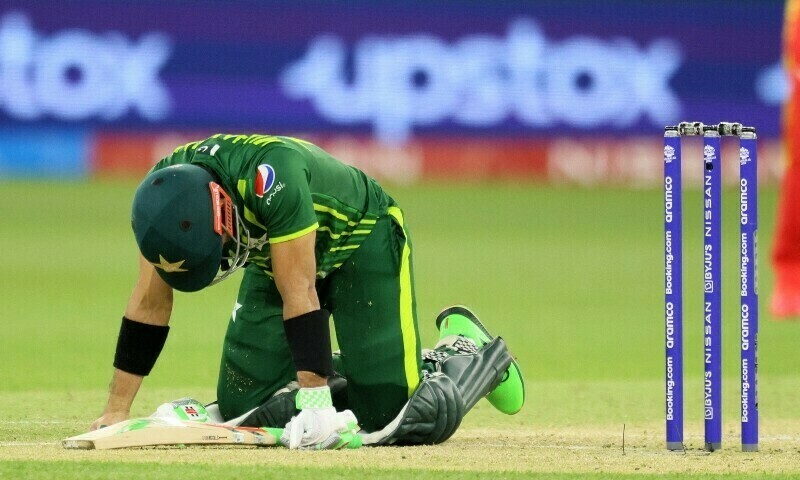
Pakistan has generally enjoyed a strong T20I record against Zimbabwe. Nevertheless, Zimbabwe has demonstrated that it can compete in the format, including a famous one-run victory over Pakistan at the 2022 T20 World Cup in Perth. Pakistan made 129/8 in reply to Zimbabwe’s 130/8, falling just short in a tense finish.
That match remains an important example of Zimbabwe’s ability to challenge a highly rated opponent. It also demonstrated the value of disciplined bowling and composure in the closing overs. In T20 cricket, a team does not need to dominate every stage to win; it needs to perform well in the moments that matter most.
The December 2024 T20I series in Bulawayo offered another example of contrasting results. Pakistan won the first match by 57 runs and the second by 10 wickets, securing the series with one game remaining. Zimbabwe then won the third T20I by two wickets, finishing the series with a victory.
The second match was especially remarkable because Zimbabwe was dismissed for 57, its lowest T20I total at the time. Pakistan chased the target without losing a wicket, with Sufiyan Muqeem taking five wickets for just three runs. Zimbabwe’s final-match victory, however, showed that the side could respond after a difficult defeat.
T20I results are often influenced by powerplay wickets, death-over execution, boundary hitting, and fielding. Teams must also consider the match-ups between batters and bowlers, especially when spinners or slower deliveries can disrupt the scoring rhythm.
Recent Zimbabwe vs Pakistan Match Results
The following table highlights notable recent matches from the teams’ ODI and T20I meetings. These results help explain how the rivalry has developed in recent years.
| Format | Date | Result |
|---|---|---|
| ODI | November 24, 2024 | Zimbabwe won by 80 runs under the DLS method |
| ODI | November 26, 2024 | Pakistan won by 10 wickets |
| ODI | November 28, 2024 | Pakistan won by 99 runs |
| T20I | December 1, 2024 | Pakistan won by 57 runs |
| T20I | December 3, 2024 | Pakistan won by 10 wickets |
| T20I | December 5, 2024 | Zimbabwe won by 2 wickets |
| T20I | October 27, 2022 | Zimbabwe won by 1 run |
The November 2024 ODI series showed Pakistan’s ability to recover after an opening defeat. Its two subsequent victories secured the series, with the final match decided by a substantial margin.
The December 2024 T20I series was also significant because Pakistan won the series despite Zimbabwe taking the final game. These examples demonstrate why fans should examine both individual match results and the overall series outcome when reviewing the rivalry.
Key Players in Zimbabwe vs Pakistan Matches
Players from both countries have shaped the rivalry through important batting, bowling, and leadership performances. Different generations have contributed to the teams’ identities and their approaches to international cricket.
Pakistan has produced celebrated players such as Wasim Akram, Waqar Younis, Inzamam-ul-Haq, Shahid Afridi, Shoaib Akhtar, Babar Azam, and Shaheen Shah Afridi. Their skills represent different aspects of Pakistan’s cricketing tradition, including fast bowling, aggressive batting, spin, and modern limited-overs performance.
Zimbabwe has also produced notable international players, including Andy Flower, Grant Flower, Heath Streak, Brendan Taylor, Sikandar Raza, Sean Williams, and Craig Ervine. Their contributions have helped Zimbabwe remain competitive across different periods and formats.
In individual matches, the most influential player is not always the highest scorer or leading wicket-taker. A lower-order partnership, a crucial middle-over spell, or an important catch can determine the outcome. Captains must select the right combination of players and adapt their plans to the conditions.
All-rounders are particularly valuable because they provide flexibility in team selection. They can strengthen the batting line-up while offering additional bowling options, helping captains respond to changing match situations.
Factors That Decide Zimbabwe vs Pakistan Match Results
Several factors influence the outcome when these teams meet. Pitch conditions are among the most important. A surface offering pace and bounce may favour fast bowlers, while a slower pitch can make spin and changes of pace more effective.
Batting partnerships are equally important. In ODIs, a stable partnership can build a platform for a late scoring surge. In T20Is, a short but aggressive partnership can transform a modest total into a competitive one. In Tests, long partnerships can wear down bowlers and create opportunities for a strong first-innings score.
Bowling discipline can be decisive, especially in limited-overs cricket. Bowlers need to control their lines and lengths, vary their pace, and prevent batters from scoring freely. Teams that concede too many extras or lose control during the final overs often make their task more difficult.
Fielding also matters. Direct hits, safe catching, and quick movement in the outfield can save runs and create wickets. In close matches, these small contributions may be the difference between winning and losing.
Finally, pressure management is essential. Pakistan’s experience in major competitions and Zimbabwe’s ability to play without being favoured can both influence the contest. The team that stays composed and executes its plans most effectively usually has the best chance of success.
Frequently Asked Questions
1. Which team has won more matches between Zimbabwe and Pakistan?
Pakistan has generally dominated the overall rivalry, particularly in ODIs. The exact head-to-head totals vary by format and may change as new international matches are played.
2. When did Zimbabwe and Pakistan first meet in ODI cricket?
Their men’s ODI rivalry began in 1992. Since then, they have played numerous bilateral and tournament matches.
3. Has Zimbabwe ever beaten Pakistan in a major international match?
Yes. One notable example was Zimbabwe’s one-run victory over Pakistan at the 2022 T20 World Cup in Perth. Zimbabwe has also recorded ODI and T20I victories in bilateral series.
4. What happened in the November 2024 ODI series?
Zimbabwe won the opening match by 80 runs under the DLS method. Pakistan then won the next two matches by 10 wickets and 99 runs, respectively, taking the three-match series 2–1.
5. What happened in the December 2024 T20I series?
Pakistan won the first T20I by 57 runs and the second by 10 wickets. Zimbabwe won the final match by two wickets, while Pakistan secured the series overall.
Conclusion
The Zimbabwe National Cricket Team vs Pakistan National Cricket Team rivalry combines Pakistan’s historically strong record with Zimbabwe’s capacity to produce unexpected and memorable results. ODIs have often favoured Pakistan, but Zimbabwe’s victories in T20 cricket, including its one-run win at the 2022 T20 World Cup, show why every match deserves attention.
The teams’ recent encounters also highlight the importance of responding to setbacks. Pakistan recovered from an opening ODI defeat in 2024 to win the series, while Zimbabwe finished the subsequent T20I series with a victory. These results demonstrate how different formats can produce different challenges.
For a complete understanding of the rivalry, fans should compare Test, ODI, and T20I records separately and review individual scorecards, series outcomes, and player performances. This approach provides a more accurate picture of the history, competitive balance, and memorable moments of Zimbabwe and Pakistan international cricket.