Table of Contents
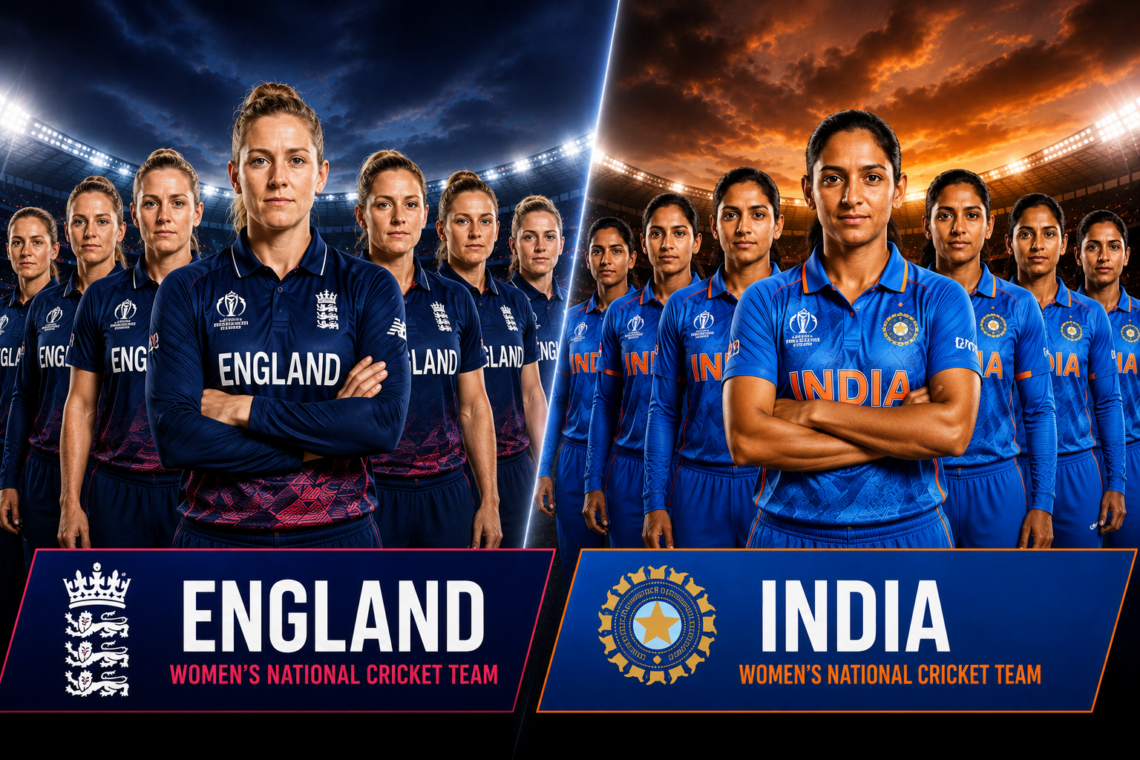
England Women’s National Cricket Team Vs India Women’s National Cricket Team Stats reflects one of the most fascinating rivalries in women’s cricket. Over the years, both teams have produced memorable contests filled with remarkable batting displays, disciplined bowling performances, and dramatic finishes. England entered the rivalry as one of the pioneers of women’s cricket, while India steadily evolved into a major force on the international stage. Their encounters have featured historic World Cup clashes, record-breaking achievements, and unforgettable individual performances. From early meetings to modern-day battles, this rivalry has contributed significantly to the growth of women’s cricket and continues to capture the attention of fans worldwide.
Recent Matches Table
| Match Date | Format | Venue | Winner | Margin | Score 1 | Score 2 |
|---|---|---|---|---|---|---|
| 10 June 2026 | T20I | Northampton | England | 5 runs | ENG 171/6 | IND 166/10 |
| 02 June 2026 | T20I | Taunton | England | 4 wickets | IND 152/8 | ENG 153/6 |
| 30 May 2026 | T20I | Bristol | England | 26 runs | ENG 168/5 | IND 142/8 |
| 28 May 2026 | T20I | Chelmsford | India | 8 wickets | ENG 145/7 | IND 146/2 |
| 22 July 2025 | ODI | London | England | 2 wickets | IND 214/10 | ENG 215/8 |
| 19 July 2025 | ODI | Southampton | England | 5 wickets | IND 198/10 | ENG 201/5 |
| 16 July 2025 | ODI | Nottingham | India | 4 wickets | ENG 230/9 | IND 231/6 |
Team Statistics Summary Table
| Team | Format | Matches | Won | Lost | Tied | No Result |
|---|---|---|---|---|---|---|
| England | Test | 14 | 1 | 3 | 0 | 10 |
| India | Test | 14 | 3 | 1 | 0 | 10 |
| England | ODI | 76 | 40 | 34 | 0 | 2 |
| India | ODI | 76 | 34 | 40 | 0 | 2 |
| England | T20I | 37 | 24 | 11 | 0 | 2 |
| India | T20I | 37 | 11 | 24 | 0 | 2 |
| England | Overall | 127 | 65 | 48 | 0 | 14 |
Individual Batting Records Table
| Player | Team | Matches | Innings | Runs | High Score | Average |
|---|---|---|---|---|---|---|
| Smriti Mandhana | India | 35 | 33 | 1042 | 87 | 34.73 |
| Danni Wyatt-Hodge | England | 37 | 35 | 925 | 124 | 28.90 |
| Harmanpreet Kaur | India | 36 | 34 | 812 | 103 | 26.19 |
| Nat Sciver-Brunt | England | 30 | 28 | 764 | 82 | 31.83 |
| Heather Knight | England | 28 | 26 | 610 | 67 | 25.41 |
| Jemimah Rodrigues | India | 24 | 22 | 520 | 56 | 24.76 |
| Shafali Verma | India | 20 | 20 | 485 | 48 | 24.25 |
Individual Bowling Records Table
| Player | Team | Matches | Innings | Wickets | Best Bowling | Economy |
|---|---|---|---|---|---|---|
| Sophie Ecclestone | England | 29 | 29 | 42 | 4/18 | 6.12 |
| Deepti Sharma | India | 31 | 30 | 36 | 4/24 | 6.45 |
| Radha Yadav | India | 22 | 21 | 25 | 3/23 | 6.80 |
| Rajeshwari Gayakwad | India | 20 | 20 | 22 | 3/21 | 6.95 |
| Natalie Sciver-Brunt | England | 30 | 26 | 21 | 4/15 | 6.72 |
| Charlie Dean | England | 15 | 15 | 18 | 3/16 | 6.25 |
| Lauren Bell | England | 14 | 14 | 15 | 3/22 | 7.10 |
When Two Women’s Cricket Powers First Crossed Paths
The rivalry began when two ambitious teams met during the formative years of women’s international cricket. England entered the contest with a rich cricketing tradition and greater international experience, while India was still building its presence on the world stage. Early encounters showcased contrasting styles, with England relying on structure and discipline and India displaying determination and resilience. These matches laid the groundwork for a rivalry that would grow stronger over the decades. Every contest added a new chapter, helping women’s cricket gain wider recognition and creating memorable moments that still resonate with fans today.
| Early Era | England Strength | India Development | Match Impact |
| 1970s | Experience | Emerging Team | Rivalry Begins |
| International Tours | Strong Squad | Learning Phase | Valuable Exposure |
| Bilateral Matches | Consistency | Growth | Competitive Spirit |
| Tournament Meetings | Tactical Edge | Determination | Increased Attention |
| Historic Encounters | Established Power | Rising Force | Future Foundation |
England’s Early Control and India’s Learning Curve
During the initial decades of competition, England often held the upper hand due to greater experience and a more developed domestic structure. India faced challenging conditions and stronger opponents but gradually improved with each series. These contests were important learning opportunities that helped players adapt to international standards. Although victories were difficult to secure, India began showing signs of progress through disciplined performances and improved tactical awareness. The competitive gap slowly narrowed as confidence grew within the squad.
| Period | Dominant Side | Key Factor | Result Trend |
| Early Years | England | Experience | Frequent Wins |
| Overseas Tours | England | Conditions | Strong Results |
| Development Phase | India | Learning | Better Performances |
| Bilateral Series | Competitive | Adaptation | Narrow Margins |
| Growth Era | Balanced | Improvement | Closer Matches |
Building Belief Through Competitive Battles
As the rivalry matured, matches became increasingly competitive. India developed a stronger core of players capable of challenging established opponents. Several closely fought contests demonstrated the team’s growing belief and ability to perform under pressure. England remained a formidable force, but victories were no longer guaranteed. Tactical planning, improved fitness, and greater international exposure helped create thrilling encounters that attracted broader interest from cricket supporters around the world.
| Aspect | Earlier Stage | Improved Stage | Outcome |
| Batting | Inconsistent | Reliable | More Runs |
| Bowling | Developing | Disciplined | Better Control |
| Fielding | Basic | Improved | Saved Runs |
| Confidence | Limited | Stronger | Competitive Matches |
| Results | One-Sided | Balanced | Exciting Rivalry |
World Cup Meetings That Raised the Stakes
World Cup encounters brought a different level of pressure and significance. Every run and wicket carried extra importance because tournament success was on the line. These matches often featured intense competition, strategic decision-making, and standout individual performances. Both teams produced memorable moments on the biggest stage, contributing to the growth of women’s cricket and enhancing the reputation of the rivalry. Tournament meetings became defining moments that shaped future expectations.
| Tournament Stage | Pressure Level | Key Feature | Significance |
| Group Matches | High | Qualification | Momentum |
| Knockout Games | Very High | Elimination Risk | Major Impact |
| Global Events | Intense | Worldwide Attention | Growth |
| Big Crowds | Strong Support | Atmosphere | Excitement |
| Historic Clashes | Maximum | Legacy | Lasting Memory |
Captains, Leaders and Game Changers
Leadership has played a crucial role throughout the rivalry. Captains influenced tactical decisions, inspired teammates, and guided teams through difficult situations. Strong leadership often made the difference during close contests. Experienced players delivered performances that changed the direction of important matches, while emerging talents brought fresh energy and new approaches. These influential figures helped shape the identity of both teams and contributed significantly to the rivalry’s development.
| Leadership Area | Contribution | Team Benefit | Match Effect |
| Captaincy | Strategy | Direction | Better Decisions |
| Senior Players | Experience | Stability | Consistency |
| Young Talent | Energy | Innovation | Momentum |
| Team Culture | Unity | Confidence | Improved Results |
| Match Winners | Impact Plays | Success | Turning Points |
The 2017 World Cup Final That Changed Everything
One of the most significant moments arrived when both teams met in a World Cup final. The match captured global attention and showcased the remarkable progress of women’s cricket. High-pressure situations, crucial partnerships, and dramatic turning points kept fans engaged throughout the contest. The final demonstrated the quality and competitiveness of both sides while inspiring a new generation of players and supporters. Its influence extended far beyond the result itself.
| Event | Importance | Key Element | Legacy |
| Final Match | Global Stage | High Stakes | Historic |
| Big Partnership | Momentum | Run Scoring | Influence |
| Bowling Spell | Control | Wickets | Turning Point |
| Fan Interest | Massive | Engagement | Growth |
| Lasting Impact | Significant | Inspiration | Future Success |
New Heroes, New Rivalries and a Changing Era
The modern era has introduced new stars who continue to elevate the rivalry. Advanced preparation, professional environments, and increased media coverage have transformed the competition. Young players regularly deliver match-winning performances, while experienced performers provide consistency and leadership. The rivalry now represents one of the most anticipated contests in women’s cricket, combining skill, intensity, and passionate support from fans across the world.
| Modern Element | Development | Impact | Future Outlook |
| Professionalism | Higher Standards | Better Cricket | Continued Growth |
| New Talent | Emerging Stars | Fresh Competition | Long-Term Success |
| Fan Support | Expanding Audience | Greater Visibility | Strong Following |
| Tactical Depth | Advanced Planning | Quality Matches | Enhanced Rivalry |
| Global Recognition | Wider Reach | Popularity | Bright Future |
Conclusion
The journey of England Women’s National Cricket Team Vs India Women’s National Cricket Team Stats showcases the evolution of two highly competitive sides that have helped shape modern women’s cricket. Each era has delivered new stars, thrilling matches, and defining moments that strengthened the rivalry. Whether through World Cup encounters, bilateral series, or record-breaking performances, both teams have consistently pushed each other to higher standards. Their contests have inspired players and fans alike while increasing the popularity of the women’s game across the globe. As new generations emerge, this rivalry is expected to remain one of the most exciting and influential stories in international cricket.
FAQs
What makes this rivalry special in women’s cricket?
This rivalry combines historic encounters, competitive matches, world-class players, and several memorable tournament clashes that have influenced the growth of women’s cricket.
Which tournament featured the most famous meeting between the two teams?
The 2017 Women’s Cricket World Cup Final is widely regarded as the most memorable encounter because of its high stakes and dramatic finish.
Which formats have these teams played against each other?
They have competed in Test matches, One Day Internationals (ODIs), and Twenty20 Internationals (T20Is).
Why are the head-to-head statistics important?
The statistics help fans understand performance trends, team strengths, player achievements, and the overall development of the rivalry through different eras.
How has this rivalry impacted women’s cricket?
It has increased global interest in the women’s game, inspired young cricketers, and contributed to higher standards of competition at the international level.