Table of Contents
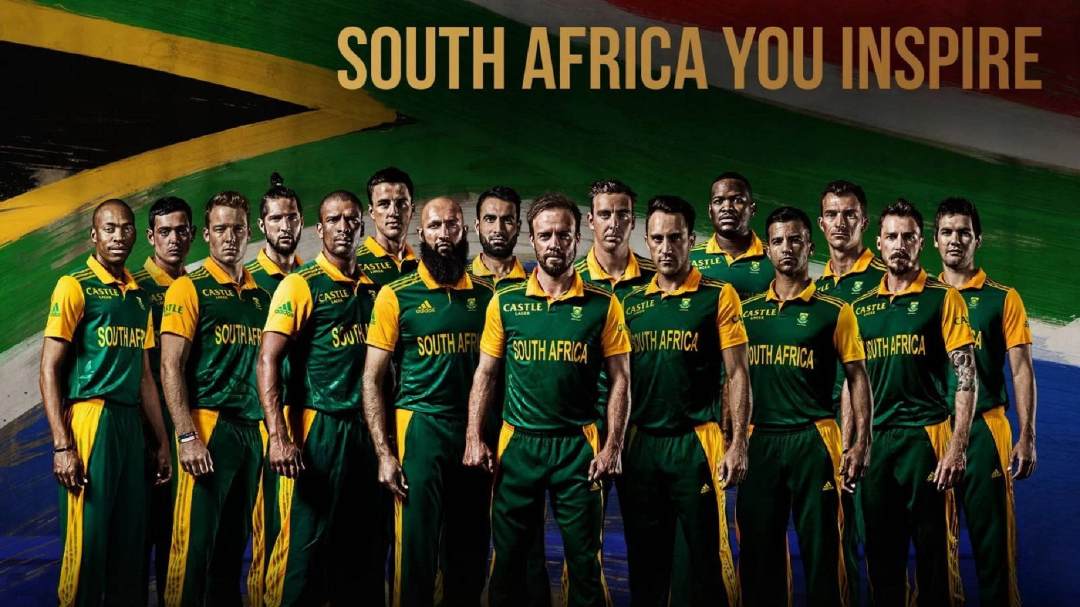
The rivalry between the South Africa National Cricket Team and India has grown into one of modern cricket’s most compelling contests, shaped by pace, spin, pressure, and shifting generations. Since South Africa’s readmission, both teams have clashed across Tests, ODIs, and T20s, producing unforgettable scorecards and dramatic momentum swings. From early dominance by South African fast bowlers to India’s rise through technical batting and world class spin and pace attacks, every era has added new intensity. Fans from both nations have witnessed emotional victories, crushing defeats, and iconic performances that defined careers and shaped cricket history across formats and conditions worldwide.
ICC Team Rankings
| Format | Position | Rating |
|---|---|---|
| Test | 2 | 119 |
| ODI | 4 | 102 |
| T20I | 5 | — |
Current Men’s Core Team Squad
| Player Name | Primary Role |
|---|---|
| Temba Bavuma | Opening Batter |
| Aiden Markram | All-Rounder |
| Quinton de Kock | Wicketkeeper-Batter |
| David Miller | Middle-order Batter |
| Tristan Stubbs | Wicketkeeper-Batter |
| Heinrich Klaasen | Wicketkeeper-Batter |
| Marco Jansen | Bowling All-Rounder |
| Wiaan Mulder | All-Rounder |
| Kagiso Rabada | Fast Bowler |
| Anrich Nortje | Fast Bowler |
| Gerald Coetzee | Fast Bowler |
| Lungi Ngidi | Fast Bowler |
| Keshav Maharaj | Left-arm Spinner |
| Tabraiz Shamsi | Left-arm Wrist Spinner |
Peak-Era Legends
| Player | Role | Impact / Legacy |
|---|---|---|
| Jacques Kallis | All-Rounder | Arguably the greatest all-rounder in cricket history with 25,000 plus international runs and 500 plus wickets |
| AB de Villiers | Wicketkeeper-Batter | Known as Mr 360 for his revolutionary batting style and holding the fastest ODI century record |
| Dale Steyn | Fast Bowler | Dominant express pace bowler who held the World No 1 Test bowler spot for a record 263 weeks |
| Graeme Smith | Captain / Opener | South Africa’s most successful captain leading the team to historic away series victories |
| Hashim Amla | Top-order Batter | The fastest batsman to reach multiple ODI run milestones and SA’s only Test triple-centurion |
| Shaun Pollock | Bowling All-Rounder | Master of line and length and leading wicket-taker for South Africa across all formats |
| Allan Donald | Fast Bowler | The White Lightning who spearheaded the ferocious bowling attack of the 1990s |
ICC ODI World Cup Top Run Scorers
| Player | Matches | Total Runs |
|---|---|---|
| AB de Villiers | 23 | 1207 |
| Jacques Kallis | 36 | 1148 |
| Herschelle Gibbs | 25 | 1067 |
| Faf du Plessis | 22 | 939 |
| Quinton de Kock | 27 | 916 |
ICC ODI World Cup Top Wicket Takers
| Player | Matches | Wickets Taken |
|---|---|---|
| Imran Tahir | 22 | 40 |
| Allan Donald | 25 | 38 |
| Shaun Pollock | 31 | 31 |
| Morne Morkel | 14 | 26 |
| Kagiso Rabada | 18 | 24 |
Early Encounters That Set the Tone After Readmission
The early clashes between the South Africa National Cricket Team and India set a serious tone for one of cricket’s most respected rivalries. After South Africa’s readmission in the early 1990s, India quickly became one of their most frequent opponents. The first encounters were defined by fast bowling dominance from South Africa and technical batting struggles from India on bouncy pitches. Players like Allan Donald and Shaun Pollock made life difficult for Indian batters, while Sachin Tendulkar stood out as the lone warrior in many innings. These matches were not just contests but learning experiences that shaped India’s future overseas approach and South Africa’s identity as a disciplined, pace-heavy side.
| Season | Score (Avg Match Runs) | Winning Side | Performance Highlights | Key Impact |
|---|---|---|---|---|
| 1992–93 | Low (450–520) | South Africa | Donald’s pace dominance | India struggled vs bounce |
| 1996–97 | Low-Mid (500–580) | South Africa | Pollock consistency | India batting collapse patterns |
| 1999–00 | Mid (550–620) | Mixed | Tendulkar resistance | India adaptation begins |
| 2000–01 | Mid (600+) | South Africa | Balanced attack success | Tactical rivalry established |
Building Respect Through Test Cricket Battles in the Late 1990s
Test cricket between South Africa and India in the late 1990s evolved into a pure examination of technique and patience. South African conditions exposed India’s vulnerability against extra bounce and seam movement. Jacques Kallis and Shaun Pollock anchored South Africa’s dominance with both bat and ball, while India leaned heavily on Rahul Dravid’s defensive solidity and Sachin Tendulkar’s class. These matches often featured collapses in one innings and recovery attempts in another, making scorecards unpredictable. Despite losses, India began adapting their batting approach, learning to survive longer in overseas conditions. South Africa, meanwhile, cemented their reputation as one of the toughest home teams in world cricket.
| Season | Score (Avg Match Runs) | Winning Side | Performance Highlights | Key Impact |
|---|---|---|---|---|
| 1996–97 | Low (400–500) | South Africa | Kallis all-round impact | India exposed vs seam |
| 1997–98 | Low (420–510) | South Africa | Pollock control spells | Defensive batting tested |
| 1999–00 | Mid (500–600) | South Africa | Dravid resistance | India resilience grows |
| 2000–01 | Mid (550–620) | South Africa | Balanced dominance | Tactical learning phase |
The ODI Rivalry Begins to Intensify
ODI matches between South Africa and India became more competitive as limited-overs cricket gained global importance. South Africa’s aggressive batting lineup, featuring Herschelle Gibbs and Gary Kirsten, often clashed with India’s spin-heavy strategy and reliance on middle-order stability. Matches frequently swung due to fielding standards, where South Africa held a clear edge in early years. India’s improvement came through smarter bowling changes and emerging finishers who could chase under pressure. Scorecards began reflecting closer finishes, with totals rising steadily. ICC tournaments added extra pressure, turning every encounter into a high-stakes contest that tested both temperament and tactical awareness.
| Season | Score (Avg Match Runs) | Winning Side | Performance Highlights | Key Impact |
|---|---|---|---|---|
| 1998–99 | Mid (220–260) | South Africa | Gibbs explosive starts | Fielding advantage |
| 1999–00 | Mid (240–280) | South Africa | Balanced ODI attack | India middle-order tested |
| 2000–01 | Mid (250–290) | Mixed | Close finishes | India tactical growth |
| 2002–03 | High (260–310) | South Africa | Powerplay dominance | ODI rivalry intensifies |
2000s Transition Era and Changing Cricket Dynamics
The early 2000s marked a turning point in the South Africa vs India rivalry as both teams entered a phase of transformation. India, under Sourav Ganguly, adopted a more aggressive mindset, while South Africa, led by Graeme Smith, focused on consistency and adaptability. Matches became higher scoring, reflecting improved batting conditions globally. Players like AB de Villiers and Zaheer Khan began shaping a new generation of matchups. Scorecards started showing frequent 300 plus totals in ODIs, while Tests became more competitive. The rivalry was no longer one-sided in any format, with momentum shifting frequently between home and away series.
| Season | Score (Avg Match Runs) | Winning Side | Performance Highlights | Key Impact |
|---|---|---|---|---|
| 2002–03 | High (280–320) | Mixed | Ganguly aggression | India attacking mindset |
| 2003–04 | High (300+) | South Africa | Smith leadership rise | Home dominance continues |
| 2005–06 | High (310+) | Mixed | AB de Villiers emergence | Balanced rivalry phase |
| 2006–07 | High (320+) | India | Zaheer swing impact | Competitive equality begins |
Conclusion
The South Africa vs India rivalry stands as a powerful reflection of cricket’s evolution across decades, formats, and generations. What began as uneven contests has transformed into a balanced and emotionally charged battle where no team dominates for long. From fiery pace attacks and gritty Test duels to explosive ODI chases and T20 thrillers, every match adds a new chapter. Legendary players on both sides have left lasting marks through unforgettable innings and match-winning spells. Today, this rivalry continues to thrive on intensity, respect, and unpredictability, ensuring that every future encounter remains a must-watch spectacle for cricket fans worldwide.
FAQs
1. Why is South Africa vs India considered a great cricket rivalry?
South Africa vs India is a great rivalry because both teams bring contrasting strengths like pace bowling and spin mastery, producing unpredictable results, high-pressure moments, and memorable performances across Tests, ODIs, and T20 formats over multiple generations of cricket.
2. Which team has historically dominated the rivalry?
Historically, South Africa dominated early encounters, especially at home due to fast and bouncy pitches. However, India has become more competitive over time, especially in limited overs cricket, making the rivalry much more balanced in modern cricket across all formats.
3. Who are the key players in this rivalry?
Key players include Sachin Tendulkar, Virat Kohli, and Rohit Sharma for India, while South Africa features legends like Jacques Kallis, AB de Villiers, Dale Steyn, and Kagiso Rabada, all shaping iconic moments and match-winning performances in crucial games.
4. What makes matches between these teams so intense?
Matches are intense due to high skill levels, aggressive fast bowling, quality batting lineups, and strong fan emotions. ICC tournaments and bilateral series add extra pressure, making every contest highly competitive and often decided in final overs or sessions.
5. How has this rivalry evolved in modern cricket?
The rivalry has evolved with higher scoring games, advanced analytics, and balanced team strengths. India’s improved pace attack and South Africa’s batting depth have made contests more unpredictable, ensuring close finishes and thrilling matches across all modern formats.