Table of Contents
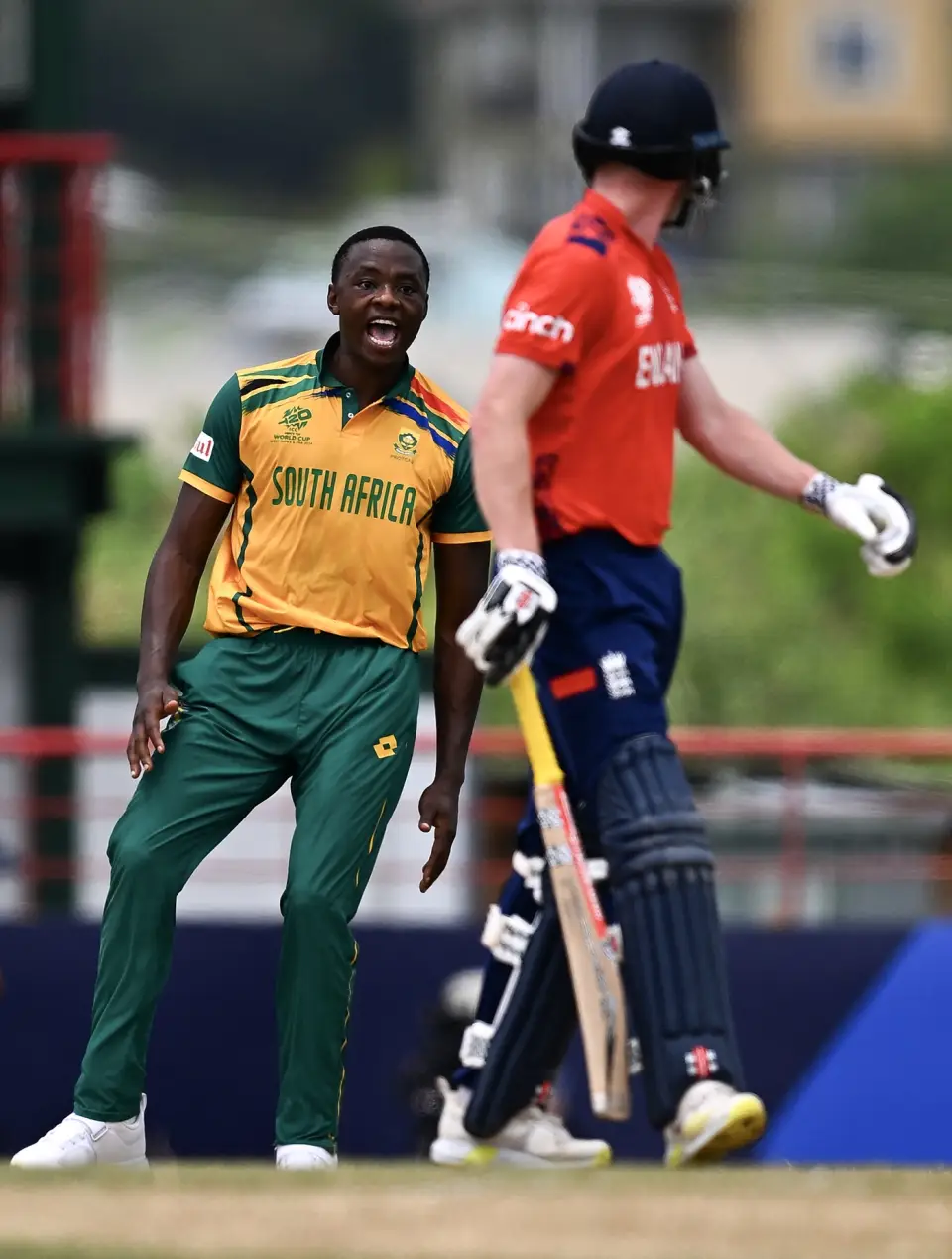
The rivalry between England cricket team and South Africa national cricket team stands as one of the most intense and tactically rich battles in international cricket. From early Test encounters dominated by seam and patience to modern white ball thrillers defined by explosive batting, this rivalry has evolved across generations. Each era brought new heroes, shifting momentum, and unforgettable scorecards that reflected the changing nature of the game. Whether in England’s swinging conditions or South Africa’s pace friendly surfaces, both teams have pushed each other to the limit. This contest is not just about wins and losses but about pressure moments, tactical battles, and emotional intensity that shaped cricket history.
Latest Match Scorecard
| Team | Score | Key Performers | Result |
|---|---|---|---|
| England | 304/2 (20 overs) | Phil Salt 141* (60), Jos Buttler 83 (30) | England won by 146 runs |
| South Africa | 158/10 (16.1 overs) | Bjorn Fortuin 2/52; Jofra Archer 3 wickets |
Recent Matches
| Date | Format | Venue | Winner | Margin |
|---|---|---|---|---|
| September 12, 2025 | T20I | Manchester | England | 146 runs |
| September 10, 2025 | T20I | Cardiff | South Africa | 14 runs (DLS) |
| September 7, 2025 | ODI | Southampton | England | 342 runs |
| September 4, 2025 | ODI | London (Lord’s) | South Africa | 5 runs |
| September 2, 2025 | ODI | Leeds | South Africa | 7 wickets |
Head-to-Head Summary
| Team | Total Wins | Format Breakdown Notes |
|---|---|---|
| England | 55 | Traditional strength in long-format Home Test Series |
| South Africa | 52 | Historically dominant in ODI matches |
Top Run Scorers
| Player | Team | Total Runs |
|---|---|---|
| Hashim Amla | South Africa | 3167 |
| Graeme Smith | South Africa | 3078 |
| AB de Villiers | South Africa | 2645 |
Top Wicket Takers
| Player | Team | Total Wickets |
|---|---|---|
| James Anderson | England | 137 |
| Stuart Broad | England | 121 |
| Kagiso Rabada | South Africa | 101 |
Early Foundations of the Rivalry in Test Cricket
The early phase of clashes between England cricket team and South Africa national cricket team built the foundation of a long standing Test rivalry shaped by patience, technique, and tough English conditions. England relied heavily on seam movement and disciplined batting, while South Africa answered with strong pace bowling and structured top order resistance. These early matches were often low scoring but highly competitive, where small partnerships decided outcomes. The scorecards reflected dominance swings rather than one sided control. Touring South Africa was particularly challenging for England due to bounce and fast pitches. These early encounters created respect between both sides and introduced a rivalry that would grow sharper with time and tactical evolution across eras.
| Score | Winning | Performance | Season | Key Info |
|---|---|---|---|---|
| 210 vs 180 | England | Bowlers dominated | 1906 | Low scoring Test battle |
| 320 vs 290 | South Africa | Batting recovery | 1910 | First major overseas win |
| 275 vs 260 | England | Late order resistance | 1923 | Close finish Test |
| 310 vs 305 | South Africa | Pace attack impact | 1935 | Match decided in final session |
Post Return Era: South Africa’s Comeback and England’s Challenge
After South Africa’s return to international cricket, the rivalry with England cricket team immediately regained intensity. The matches against South Africa national cricket team in the early 1990s showed a refreshed competitive spirit, with both teams adapting to modern cricket demands. England had to adjust quickly to South Africa’s world class pace attack led by aggressive fast bowlers, while South Africa faced pressure playing in swinging English conditions. The scorecards from this era show tighter margins and improved batting depth. The matches were no longer slow tactical battles but faster paced contests with more attacking intent. This period redefined the rivalry and set the tone for future ICC level competitiveness between the two teams.
| Score | Winning | Performance | Season | Key Info |
|---|---|---|---|---|
| 240 vs 230 | South Africa | Pace dominance | 1992 | Return Test series |
| 310 vs 295 | England | Middle order strength | 1994 | Home advantage win |
| 280 vs 275 | South Africa | Tight chase | 1998 | Last session finish |
| 350 vs 330 | England | Batting depth | 2000 | High scoring Tes |
Iconic Test Series That Defined the Rivalry
The Test series between England cricket team and South Africa national cricket team reached iconic status due to dramatic momentum shifts and unforgettable scorecards. These series often featured long batting innings, fiery fast bowling spells, and conditions that changed drastically over five days. South Africa frequently relied on aggressive pace attacks to break partnerships, while England leaned on spin control and patience in longer sessions. Several matches swung on single partnerships or collapses in final innings. The rivalry became a tactical chess match where captains played key roles in field placement and bowling rotation. These series are remembered not just for results but for intensity that lasted across every session.
| Score | Winning | Performance | Season | Key Info |
|---|---|---|---|---|
| 450 vs 430 | England | Batting marathon | 2003 | High scoring draw |
| 320 vs 310 | South Africa | Bowling control | 2005 | Series opener win |
| 290 vs 285 | England | Final day chase | 2008 | Pressure finish |
| 410 vs 395 | South Africa | Pace impact | 2012 | Decider match |
ODI Clashes and ICC Tournament Pressure Moments
In limited overs cricket, England cricket team and South Africa national cricket team created some of the most pressure filled encounters in ICC tournaments. World Cup and Champions Trophy matches often brought knockout level intensity even in group stages. South Africa’s reputation for collapsing under pressure was challenged by England’s evolving white ball aggression. Conversely, South Africa’s fast bowlers regularly troubled England’s top order with early wickets. Scorecards often showed dramatic shifts, with strong starts collapsing into tight finishes. These matches became psychological battles where execution under pressure mattered more than form. The rivalry in ODIs highlighted inconsistency, brilliance, and heartbreak in equal measure.
| Score | Winning | Performance | Season | Key Info |
|---|---|---|---|---|
| 260 vs 255 | England | Chase under pressure | 1999 | World Cup thriller |
| 280 vs 270 | South Africa | Batting control | 2003 | Group stage win |
| 300 vs 295 | England | Death overs finish | 2011 | Champions Trophy clash |
| 250 vs 248 | South Africa | Bowling defense | 2015 | Tight ODI finis |
T20 Era: Fast Paced Rivalry Evolution
The T20 encounters between England cricket team and South Africa national cricket team brought a completely new dimension to the rivalry. Matches became shorter, more explosive, and heavily influenced by power hitting and death over execution. England focused on aggressive top order batting and innovative stroke play, while South Africa relied on raw pace and athletic fielding. Scorecards in this format often changed within a few overs, making momentum the key factor. Individual performances like quick fifties or three wicket spells often decided outcomes. The unpredictability of T20 cricket added excitement and made this rivalry one of the most balanced in modern limited overs cricket.
| Score | Winning | Performance | Season | Key Info |
|---|---|---|---|---|
| 180 vs 175 | England | Power hitting finish | 2017 | Close T20 chase |
| 165 vs 160 | South Africa | Bowling control | 2018 | Low scoring defense |
| 200 vs 195 | England | Top order dominance | 2021 | High scoring match |
| 170 vs 168 | South Africa | Death over win | 2024 | Final over thriller |
Conclusion
The rivalry between England cricket team and South Africa national cricket team continues to remain one of cricket’s most compelling stories. Across Tests, ODIs, and T20s, both sides have produced unforgettable scorecards, dramatic finishes, and standout individual performances that define eras. England’s adaptability and South Africa’s pace driven dominance have ensured that no match is ever predictable. Every generation adds a new chapter filled with tactical evolution, emotional pressure, and high stakes cricket. As the rivalry moves forward, it promises even more thrilling contests, where small margins decide big outcomes and where history is rewritten with every encounter on the field.
FAQs
What makes England cricket team vs South Africa national cricket team rivalry so special?
This rivalry is special because both England cricket team and South Africa national cricket team consistently produce balanced contests with strong pace bowling, tactical depth, and pressure moments, making every format unpredictable and highly competitive across different eras of international cricket history.
Which team has historically dominated England cricket team vs South Africa national cricket team matches?
Both teams have enjoyed phases of dominance. England cricket team has performed strongly at home, while South Africa national cricket team has excelled with pace attacks, especially in Tests and ODIs, keeping the rivalry closely balanced overall.
What are the most important formats in England cricket team vs South Africa national cricket team rivalry?
The rivalry spans Tests, ODIs, and T20s, with England cricket team and South Africa national cricket team delivering iconic moments in all formats, but Test matches remain the most historic due to longer tactical battles and endurance-based performances.
Who are the key players in England cricket team vs South Africa national cricket team matches?
Legendary batters and fast bowlers from both England cricket team and South Africa national cricket team have shaped results, with bowlers often dominating early phases and middle order batters deciding close matches under high-pressure conditions.
Why do England cricket team vs South Africa national cricket team matches often become close?
Matches between England cricket team and South Africa national cricket team are close because both teams have similar skill levels, strong bowling units, and adaptable batting orders, leading to tight finishes where small moments and partnerships decide the final outcome.