Table of Contents
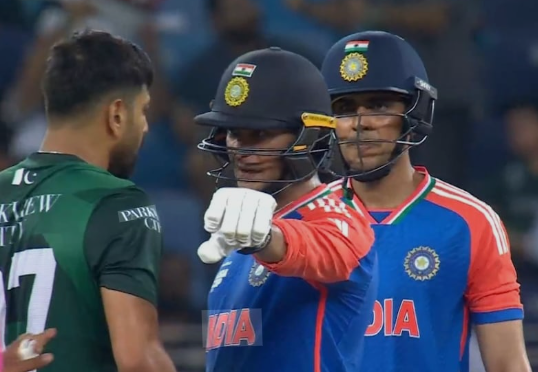
The rivalry between the Pakistan National Cricket Team and the India National Cricket Team is widely regarded as the most intense and emotionally charged contest in world cricket. Every encounter between these two sides goes beyond the boundary ropes, carrying decades of political history, cultural emotion, and unmatched fan passion. From the early Test matches played in cautious silence to modern high-pressure ICC clashes watched by billions, this rivalry has evolved into a global sporting spectacle. The Pakistan National Cricket Team Vs India National Cricket Team Match Scorecard tells more than numbers, it tells stories of pride, heartbreak, dominance shifts, and unforgettable cricketing moments that have defined generations.
Head-to-Head Summary
| Format | Total Matches | India Won | Pakistan Won | No Result / Drawn |
|---|---|---|---|---|
| Test | 59 | 9 | 12 | 38 |
| ODI | 136 | 58 | 73 | 5 |
| T20I | 17 | 14 | 3 | 0 |
| Overall | 212 | 81 | 88 | 43 |
Recent Matches & Scorecards (2024–2026)
| Date | Tournament | Ground | Match Scorecard Summary | Winner |
|---|---|---|---|---|
| Feb 15, 2026 | ICC Men’s T20 World Cup | Colombo | IND: 175/7 (20 ov; I. Kishan 77, S. Ayub 3/25) PAK: 114/10 (18 ov; U. Khan 44, J. Bumrah 2/17) | India (by 61 runs) |
| Sep 28, 2025 | Asia Cup (Final) | Dubai | PAK: 146 (19.1 ov) IND: 150/5 (19.4 ov; T. Varma 25*, D. Baig 4/69) | India (by 5 wickets) |
| Sep 21, 2025 | Asia Cup (Super 4) | Dubai | PAK: 171/5 (20 ov) IND: 174/4 (18.5 ov; A. Sharma 19*) | India (by 6 wickets) |
| Sep 14, 2025 | Asia Cup (Group) | Dubai | PAK: 127/9 (20 ov; K. Yadav 4/30) IND: 131/3 (15.5 ov) | India (by 7 wickets) |
| Feb 23, 2025 | ICC Champions Trophy | Dubai | PAK: 241 (49.4 ov) IND: 244/4 (42.3 ov; V. Kohli 1) | India (by 6 wickets) |
| June 9, 2024 | ICC Men’s T20 World Cup | New York | IND: 119 (19 ov; R. Pant 42, N. Shah 3/21) PAK: 113/7 (20 ov; M. Rizwan 31, J. Bumrah 3/14) | India (by 6 runs) |
Top Run Scorers (All-Time, All Formats)
| Player | Team | Active Career Span | Total Runs vs Opponent |
|---|---|---|---|
| Sachin Tendulkar | India | 1989–2012 | 3,583 |
| Javed Miandad | Pakistan | 1978–1996 | 3,403 |
| Inzamam-ul-Haq | Pakistan | 1992–2006 | 3,236 |
| Rahul Dravid | India | 1996–2009 | 3,135 |
Top Wicket Takers (All-Time, All Formats)
| Bowler | Team | Active Career Span | Total Wickets vs Opponent |
|---|---|---|---|
| Kapil Dev | India | 1978–1992 | 141 |
| Anil Kumble | India | 1990–2007 | 108 |
| Imran Khan | Pakistan | 1978–1992 | 99 |
| Wasim Akram | Pakistan | 1985–2003 | 90 |
The Origins of a Cricket Rivalry That Became a Global Phenomenon
The rivalry between India and Pakistan in cricket is not just about sport, it is a reflection of history, emotion, and national identity. After the partition in 1947, both nations carried deep political and cultural tension, and cricket became one of the earliest peaceful battlegrounds. When the teams first met, the atmosphere was cautious but intense, with players aware they were representing more than just a side. Early matches were low scoring and heavily dominated by bowlers, reflecting the defensive mindset of the era. Despite limited encounters, the foundation of one of the greatest sporting rivalries in the world was firmly established, shaping decades of unforgettable cricket history.
| Category | Details | Score Impact | Winning Edge | Season Insight |
|---|---|---|---|---|
| First Match Era | 1950s Test series | Low scoring draws | Balanced | Post-partition adjustment phase |
| Early Style | Defensive cricket focus | 150 to 250 totals common | Pakistan slight edge | Bowling dominated conditions |
| Key Strength | Spin and fast bowling attacks | Tight matches | Even contests | Subcontinental pitches |
| Rivalry Mood | Political + emotional intensity | High pressure games | No clear dominance | Foundation of global rivalry |
First Encounters and Early Dominance in the 1950s and 1960s
The first official Test series between India and Pakistan set the tone for a long-standing rivalry filled with respect and caution. Matches in the 1950s and 1960s were slow-paced, with batting techniques still developing and pitches heavily favoring bowlers. Pakistan’s strong pace attack and India’s disciplined spin bowling often neutralized each other, leading to drawn matches. However, Pakistan slightly edged early performances with more aggressive fast bowling units. Players like Hanif Mohammad stood out with marathon innings, while India relied on patience and technique. The matches were less about aggression and more about survival, but every session carried emotional weight. This era built mutual respect while quietly igniting a rivalry that would grow far beyond cricket.
| Category | Details | Score Impact | Winning Edge | Season Insight |
|---|---|---|---|---|
| First Series | 1952–53 Test debut | Low totals under 300 | Pakistan slightly ahead | Early international exposure |
| Batting Style | Defensive technique focus | Draw-heavy matches | Even results | Long innings dominance |
| Bowling Strength | Swing and spin balance | Low scoring games | Pakistan pace advantage | Home conditions crucial |
| Famous Player | Hanif Mohammad era | Marathon batting impact | India resilience | Foundation of rivalry respect |
The 1970s Shift: Tactical Evolution and Rising Competitive Edge
The 1970s marked a turning point in the India vs Pakistan cricket rivalry as both teams began evolving tactically. Cricket was no longer just about survival but about strategic dominance. Pakistan introduced more unpredictable bowling combinations, while India started rebuilding with young talent and stronger spin departments. Matches became more result-oriented compared to earlier drawn Tests. This decade also saw the rise of match awareness, where captains played a bigger role in shaping outcomes. Although Pakistan often looked more aggressive, India began closing the gap with improved discipline and home advantage. The rivalry gained sharper edges, setting the stage for the explosive encounters of later decades.
| Category | Details | Score Impact | Winning Edge | Season Insight |
|---|---|---|---|---|
| Era Shift | 1970s competitive rise | Results replacing draws | Pakistan slightly ahead | Tactical evolution phase |
| Bowling Style | Fast + spin variation | Lower scoring Tests | Pakistan advantage | Unpredictable attacks |
| India Growth | Strong spin resurgence | Improved batting stability | Balanced outcomes | Team rebuilding phase |
| Match Nature | More result-oriented | Increased win/loss ratio | Even competition | Rising intensite |
The 1980s Rivalry Intensifies with World Cup Pressure Moments
The 1980s brought a new dimension to the India vs Pakistan rivalry with the rise of ODI cricket and World Cup pressure. Matches were no longer limited to bilateral respect but carried global stakes. Every ICC encounter became a national event watched by millions. India began to develop strong middle-order stability, while Pakistan introduced explosive all-rounders who could change matches instantly. The pressure of limited overs cricket created dramatic finishes, often decided in the final overs. This decade also saw emotional intensity rise among fans, with stadiums becoming charged arenas of national pride. The rivalry was no longer just competitive, it became psychological warfare under lights and global scrutiny.
| Category | Details | Score Impact | Winning Edge | Season Insight |
|---|---|---|---|---|
| Format Change | ODI World Cup rise | High-pressure finishes | Balanced rivalry | Global exposure phase |
| Key Strength | All-rounders emerge | 250+ ODI totals | Pakistan slight edge | Power hitting introduction |
| India Strategy | Middle order stability | Chasing improvements | India resilience | Tactical discipline |
| Emotional Factor | Crowd intensity rise | Clutch moments | Even competition | National pride battles |
Conclusion
The Pakistan National Cricket Team Vs India National Cricket Team Match Scorecard is not just a record of runs and wickets, it is a living archive of one of cricket’s greatest rivalries. Across decades, both teams have produced legendary performances, dramatic finishes, and unforgettable emotional highs that have shaped the sport’s global identity. From tightly fought early Tests to modern ICC thrillers, the rivalry has consistently delivered intensity and unpredictability. Neither side has ever fully dominated the other for long, which is what keeps this contest alive. As cricket continues to evolve, this rivalry remains its most powerful narrative, uniting and dividing fans with equal force.