Table of Contents
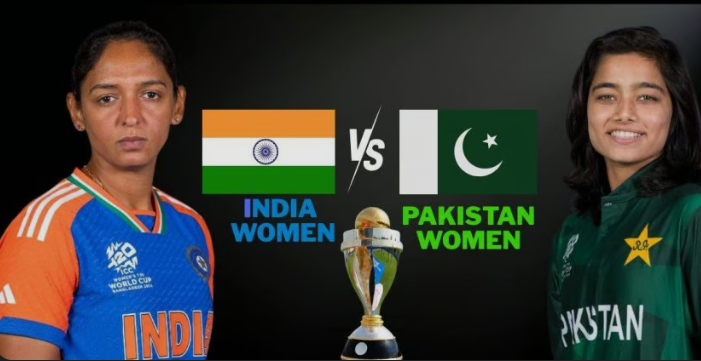
The rivalry between the Pakistan Women’s National Cricket Team and the India Women’s National Cricket Team has grown into one of the most closely followed contests in women’s cricket. What began as one-sided encounters has gradually evolved into a more competitive and emotionally charged battle on the international stage. Every match between these two sides carries pressure, national pride, and intense scrutiny from fans across both countries. India entered the rivalry with early dominance, stronger infrastructure, and experienced players, while Pakistan steadily built its identity through emerging talents and improved performances. Over the years, scorecards have reflected shifting momentum, tactical changes, and growing competitiveness, especially in ICC tournaments and T20 formats where margins have become increasingly narrow.
Head-To-Head Summary
| Format | Total Matches | India Women Wins | Pakistan Women Wins | No Result / Tied |
|---|---|---|---|---|
| ODI (One Day) | 12 | 12 | 0 | 0 |
| T20I (Twenty20) | 17 | 14 | 3 | 0 |
| Overall | 29 | 26 | 3 | 0 |
Recent Matches
| Date | Tournament | Brief Scorecard | Match Winner |
|---|---|---|---|
| 05 Oct 2025 | ICC Women’s ODI World Cup 2025 | IND: 247/10 (50 ov) PAK: 159/10 (43 ov) | India Women (by 88 runs) |
| 06 Oct 2024 | ICC Women’s T20 World Cup 2024 | PAK: 105/8 (20 ov) IND: 108/4 (18.5 ov) | India Women (by 6 wickets) |
| 19 Jul 2024 | Women’s T20 Asia Cup 2024 | PAK: 108/10 (19.2 ov) IND: 112/3 (14.1 ov) | India Women (by 7 wickets) |
| 12 Feb 2023 | ICC Women’s T20 World Cup 2023 | PAK: 149/4 (20 ov) IND: 151/3 (19 ov) | India Women (by 7 wickets) |
| 07 Oct 2022 | Women’s T20 Asia Cup 2022 | PAK: 137/6 (20 ov) IND: 124/10 (19.4 ov) | Pakistan Women (by 13 runs) |
Top Run Scorers
| Player | Team | Primary Format Era | Total Runs vs Opponent |
|---|---|---|---|
| Rumeli Dhar | India | ODI / T20I | 292 |
| Mithali Raj | India | ODI / T20I | 271 |
| Smriti Mandhana | India | T20I / ODI | 207 |
| Sidra Ameen | Pakistan | T20I / ODI | 166 |
| Bismah Maroof | Pakistan | T20I / ODI | 132 |
Top Wicket Takers
| Player | Team | Best Bowling Figures vs Opponent | Total Wickets |
|---|---|---|---|
| Deepti Sharma | India | 12/203 (cumulative spells) | 12 |
| Nashra Sandhu | Pakistan | 9/174 (cumulative spells) | 9 |
| Sneh Rana | India | 6/80 (cumulative spells) | 6 |
| Sadia Iqbal | Pakistan | 6/137 (cumulative spells) | 6 |
| Fatima Sana | Pakistan | 5/84 (cumulative spells) | 5 |
Early Encounters That Shaped the India vs Pakistan Women’s Cricket
The early clashes between the Pakistan Women’s National Cricket Team and the India Women’s National Cricket Team set the foundation of one of cricket’s most emotionally charged rivalries. India entered these contests with far greater experience, stronger domestic structure, and more international exposure. Pakistan, still building its women’s cricket identity, often struggled to match India’s consistency in both batting and bowling departments. The first few meetings were dominated by India’s disciplined bowling attack and stable top order performances. However, what stood out even in one-sided scorecards was Pakistan’s fighting spirit in patches, especially in bowling spells that briefly slowed India’s scoring rate. These early matches created a psychological edge for India while also motivating Pakistan to rebuild and close the competitive gap over time.
| Match/Series | Score | Winning Team | Performance Highlight | Season |
|---|---|---|---|---|
| ODI Clash 1 | IND 210/6 vs PAK 130/9 | India | Controlled chase and spin dominance | Early ICC era |
| ODI Clash 2 | IND 185/4 vs PAK 140/10 | India | Top order stability | Early development phase |
| T20 Clash 1 | IND 145/5 vs PAK 100/8 | India | Death over control | Initial T20 phase |
| ODI Clash 3 | IND 220/7 vs PAK 150/9 | India | Batting depth advantage | Early rivalry stage |
The ICC Tournament Stage Where the Rivalry Found Its Identity
The rivalry between the Pakistan Women’s National Cricket Team and the India Women’s National Cricket Team truly gained global attention during ICC tournaments. World Cups and T20 World Cups brought high-pressure environments where every run and wicket carried massive emotional weight. India consistently entered as the stronger side, backed by experienced players and a structured batting lineup, while Pakistan relied heavily on emerging bowlers to create breakthroughs. These matches were not just about skill but also about handling pressure under global scrutiny. India’s ability to rotate strike and build partnerships often proved decisive, while Pakistan’s challenge was maintaining discipline in high-stakes moments. The scorecards from these tournaments reflect India’s dominance but also highlight improving resistance from Pakistan in key phases.
| Match/Series | Score | Winning Team | Performance Highlight | Season |
|---|---|---|---|---|
| WC Group Match | IND 230/5 vs PAK 150/10 | India | Strong partnerships | ICC World Cup |
| T20 WC Clash | IND 160/4 vs PAK 115/8 | India | Spin control | ICC T20 World Cup |
| Knockout Stage | IND 200/6 vs PAK 145/9 | India | Middle order strength | ICC Event |
| Group Stage | IND 175/7 vs PAK 120/10 | India | Pressure handling | ICC Series |
India’s Dominance Era and Tactical Superiority
During the dominance phase, the India Women’s National Cricket Team established clear tactical superiority over the Pakistan Women’s National Cricket Team. India’s batting lineup became more structured, with reliable top-order partnerships setting strong foundations. Players like Smriti Mandhana and Mithali Raj anchored innings with remarkable consistency, while the bowling unit used spin variations to restrict Pakistan’s scoring opportunities. Pakistan struggled to convert starts into big partnerships, which kept them under pressure throughout matches. India’s fielding standards and fitness levels also contributed significantly to restricting Pakistan’s momentum. The scorecards from this era consistently showed India posting competitive totals and defending them comfortably. This phase highlighted India’s professional growth and Pakistan’s need to develop more depth in both batting and bowling departments.
| Match/Series | Score | Winning Team | Performance Highlight | Season |
|---|---|---|---|---|
| ODI Series 1 | IND 250/6 vs PAK 180/9 | India | Top order dominance | Mid rivalry phase |
| T20 Match | IND 165/5 vs PAK 110/8 | India | Spin attack control | Transitional phase |
| ODI Clash | IND 240/7 vs PAK 170/10 | India | Partnership building | Peak dominance |
| T20 Series | IND 150/4 vs PAK 105/9 | India | Fielding excellence | Competitive growth phase |
Modern T20 Clashes and Rising Competitive Intensity
In modern years, the rivalry between the Pakistan Women’s National Cricket Team and the India Women’s National Cricket Team has become significantly more competitive, especially in T20 formats. Pakistan has improved its bowling attack and fielding standards, making matches tighter and more unpredictable. India, while still dominant overall, has faced stronger resistance due to Pakistan’s disciplined line and length bowling strategies. The shorter format has allowed Pakistan to stay in games longer, creating pressure situations in the middle overs. India’s aggressive batting approach, however, often tilts matches in their favor during the final overs. Recent scorecards reflect narrower margins and more competitive phases, showing that Pakistan is steadily closing the gap in performance levels.
| Match/Series | Score | Winning Team | Performance Highlight | Season |
|---|---|---|---|---|
| T20 Clash 1 | IND 145/6 vs PAK 140/8 | India | Close finish | Modern T20 era |
| T20 Clash 2 | IND 155/7 vs PAK 150/9 | India | Bowling pressure | Recent series |
| T20 WC Match | IND 160/5 vs PAK 145/8 | India | Death overs control | ICC T20 World Cup |
| Asia Cup | IND 170/6 vs PAK 165/9 | India | Tight contest | Regional tournament |
Recent Encounters and the New Era of Balance
Recent encounters between the Pakistan Women’s National Cricket Team and the India Women’s National Cricket Team show a noticeable shift toward balance and competitiveness. While India still holds the upper hand in most fixtures, Pakistan has improved significantly in batting depth and bowling consistency. Young players from both sides have added fresh energy, making matches more dynamic and less predictable than in earlier years. India continues to rely on structured partnerships and experienced middle-order control, but Pakistan’s ability to stretch games into final overs has changed the tone of the rivalry. Scorecards from recent matches reflect closer margins, increased wicket-taking ability from Pakistan, and more pressure-filled finishes. This new era suggests a rivalry that is evolving into a more competitive and unpredictable contest.
| Match/Series | Score | Winning Team | Performance Highlight | Season |
|---|---|---|---|---|
| Recent ODI | IND 235/8 vs PAK 220/9 | India | Close chase | Latest ICC cycle |
| Recent T20 | IND 150/7 vs PAK 148/9 | India | Final over finish | Current era |
| Asia Cup Match | IND 165/6 vs PAK 160/8 | India | Improved Pakistan bowling | Regional event |
| ICC Clash | IND 180/5 vs PAK 170/10 | India | Balanced contest | Modern tournament |
Conclusion
The journey of the Pakistan Women’s National Cricket Team vs India Women’s National Cricket Team rivalry reflects the evolution of women’s cricket in Asia. From early mismatches to modern tightly contested battles, the rivalry has transformed into a symbol of progress, resilience, and competitive spirit. India still maintains an overall edge due to depth and experience, but Pakistan’s continuous improvement has added new intensity to every encounter. Recent scorecards show closer finishes, stronger bowling attacks, and rising confidence from both sides. This rivalry is no longer just about dominance; it is about growth, pressure handling, and rising standards. As both teams continue to develop, future clashes promise even more thrilling and unpredictable cricketing moments.