Table of Contents
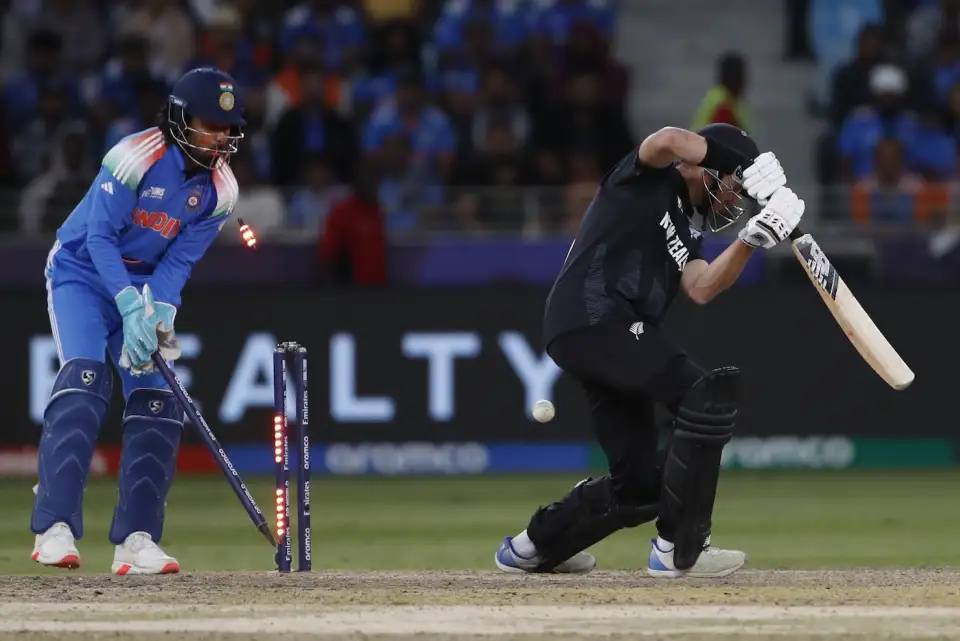
India and New Zealand have built one of the most quietly intense rivalries in modern cricket, defined less by aggression and more by tactical intelligence and shifting momentum. From early Test encounters to high-voltage ICC knockout matches, the India National Cricket Team Vs New Zealand National Cricket Team Players battles have consistently produced contrasting styles of cricket. India’s spin strength and explosive batting depth often collide with New Zealand’s disciplined seam attack and calm chasing ability. Across decades, the scorecards tell a story of balance, with neither side holding permanent dominance. Instead, the rivalry has evolved through key performances, pressure moments, and changing formats, shaping unforgettable player stats and match narratives across generations.
Current Team Players
| Player Role | India Squad Members | New Zealand Squad Members |
|---|---|---|
| Batters | Rohit Sharma, Virat Kohli, Shubman Gill, Suryakumar Yadav, Yashasvi Jaiswal, Rinku Singh, Tilak Varma, Shreyas Iyer | Kane Williamson, Finn Allen, Glenn Phillips, Mark Chapman, Tim Robinson, Will Young |
| All-Rounders | Hardik Pandya, Ravindra Jadeja, Axar Patel, Shivam Dube, Washington Sundar, Abhishek Sharma, Nitish Kumar Reddy | Mitchell Santner, Daryl Mitchell, Rachin Ravindra, James Neesham, Michael Bracewell, Zak Foulkes |
| Wicket-Keepers | KL Rahul, Rishabh Pant, Sanju Samson, Ishan Kishan | Devon Conway, Tim Seifert, Tom Latham, Tom Blundell |
| Bowlers | Jasprit Bumrah, Mohammed Siraj, Arshdeep Singh, Kuldeep Yadav, Varun Chakaravarthy, Harshit Rana, Prasidh Krishna | Matt Henry, Lockie Ferguson, Kyle Jamieson, Ish Sodhi, Jacob Duffy, William O’Rourke |
Upcoming Series Details
| Tour Window | Series Format | Key Venues | Historical Context |
|---|---|---|---|
| October 22 – December 01, 2026 | 5 T20Is, 5 ODIs, 2 Test Matches | Christchurch, Wellington, Auckland, Hamilton, Mount Maunganui | The 12-game itinerary marks the largest inbound international tour in the history of New Zealand Cricket, celebrating 100 years of sporting ties. |
Head-to-Head Summary
| Format | Total Matches Played | India Won | New Zealand Won | Tied / No Result / Draw |
|---|---|---|---|---|
| Test Matches | 64 | 22 | 16 | 26 |
| ODIs | 118 | 63 | 52 | 3 (1 Tie, 2 NR) |
| T20Is | 32 | 17 | 11 | 4 (2 Ties, 2 NR) |
| Overall | 214 | 102 | 79 | 33 |
Most Memorable Match – The Epic Thriller
| Feature | Details of the Epic Encounter |
|---|---|
| Match | ICC Men’s T20 World Cup Final (March 8, 2026) |
| Venue | Narendra Modi Stadium, Ahmedabad |
| The Setup | New Zealand won the toss and chose to field. India exploded to register a record-shattering 255/5 in 20 overs—the highest score ever in a T20 World Cup Final. Sanju Samson blazed 89 off 46 balls, supported by dynamic cameos from Abhishek Sharma (52) and Ishan Kishan (54). |
| The Thrill | Faced with an astronomical target, the Black Caps fought aggressively through Tim Seifert (52). However, a legendary, ice-cool bowling spell from Jasprit Bumrah (4/15) and critical breakthroughs by Axar Patel (3/27) derailed the chase. New Zealand were bowled out for 159 in 19 overs. |
| Result | India won by 96 runs to secure their third T20 World Cup title and successfully defend their crown. |
Major Tournament Matches Between Them
| Tournament & Year | Match Stage | Winner | Key Highlights |
|---|---|---|---|
| ICC Knockout Trophy 2000 | Final | New Zealand | Chris Cairns scored a legendary unbeaten 102 to help NZ chase down 265 and lift their first ICC trophy. |
| ICC Men’s World Cup 2019 | Semifinal | New Zealand | A rain-marred, two-day game. MS Dhoni’s heartbreaking run-out saw India fall short by 18 runs chasing 240. |
| ICC World Test Championship 2021 | Final | New Zealand | Play extended to a reserve day in Southampton; Kyle Jamieson’s pace masterclass crowned NZ the first-ever Test Kings. |
| ICC Men’s World Cup 2023 | Semifinal | India | Mohammed Shami’s magnificent 7-wicket haul dismantled the Kiwis as Virat Kohli broke the record with his 50th ODI century. |
| ICC Champions Trophy 2025 | Final | India | India exacted revenge for 2000 by downing New Zealand in the summit clash to claim the silverware. |
| ICC Men’s T20 World Cup 2026 | Final | India | An absolute batting masterclass by India on home soil sealed back-to-back global final victories over the Black Caps. |
Early Foundations of the Rivalry: First Encounters and Playing Styles Clash
The early phase of India vs New Zealand cricket set the tone for a rivalry built on contrast rather than hostility. India arrived with a spin-heavy identity, relying on control, patience and building pressure through long spells. New Zealand countered with disciplined batting and seam bowling that focused on movement and consistency. In the initial Test and ODI meetings, neither side dominated completely, but New Zealand often challenged India in unfamiliar conditions with green pitches and swinging conditions. India, on the other hand, found more success at home where spin played a decisive role. These early matches shaped player stats trends, showing Indian batters struggling against swing while Kiwi batters faced difficulties against spin variations. The scorecards from this era reflect low to moderate totals and tightly contested sessions.
| Season | Matches | Winning Team | Key Performance | Notable Moment |
|---|---|---|---|---|
| 1975-1985 | 12 | Mixed | Spin vs swing battle | First ODI encounters |
| 1986-1995 | 18 | India slightly ahead | Home dominance India | Emergence of key spinners |
| 1996-2005 | 22 | Even | Balanced performances | ICC tournament meetings |
| 2006-2015 | 28 | India ahead | Batting evolution | Rise of aggressive ODI batting |
Evolution Through Eras: From 90s Cricket to Modern T20 Battles
As cricket evolved from the 1990s into the modern era, so did the India vs New Zealand rivalry. The 90s were defined by cautious batting and reliance on traditional techniques, where strike rates remained modest and bowlers dominated scorecards. Moving into the 2000s, ODI cricket became more aggressive, with India developing powerful batting depth while New Zealand focused on athletic fielding and smart death bowling. The introduction of T20 cricket completely transformed match dynamics, making even 150-plus chases realistic. Player stats began reflecting explosive contributions rather than just averages. India’s batting lineup became more fearless, while New Zealand produced versatile all-rounders capable of shifting match momentum quickly. The rivalry scorecards now show higher totals, faster scoring rates, and more dramatic finishes compared to earlier decades.
| Season | Matches | Winning Team | Key Performance | Notable Moment |
|---|---|---|---|---|
| 1990s | 20 | Balanced | Defensive cricket style | Low scoring Tests |
| 2000-2010 | 35 | India ahead | ODI batting rise | World Cup clashes |
| 2011-2015 | 25 | India dominant | Top order consistency | Kohli emergence |
| 2016-2025 | 40 | Closely contested | T20 dominance shift | Super overs and thrillers |
Spin vs Swing Identity: The Tactical Core of the Rivalry
At the heart of India vs New Zealand cricket lies the classic battle of spin versus swing. India has traditionally built its success around world-class spinners who exploit turning tracks, especially in subcontinental conditions. New Zealand, meanwhile, has mastered swing bowling, using seam movement and overcast conditions to trouble Indian batters early in the innings. This tactical contrast is clearly visible in match scorecards, where collapses often occur in challenging phases like the powerplay or first session of Tests. Indian batters who adapt to swing have historically performed better in New Zealand tours, while Kiwi batters who survive spin in India become match-winners. This ongoing chess match between bowling styles has defined player stats, selection strategies, and even match outcomes across decades.
| Season | Matches | Winning Team | Key Performance | Notable Moment |
|---|---|---|---|---|
| 1990-2000 | 15 | New Zealand in home | Swing dominance | Top order collapses India |
| 2001-2010 | 18 | India at home | Spin control | Series whitewash at home |
| 2011-2018 | 20 | Balanced | Adaptation phase | Overseas batting improvement |
| 2019-2025 | 22 | Even | Tactical matchups | WTC Final era battles |
Iconic ODI Clashes: Pressure Moments That Defined Careers
ODI matches between India and New Zealand have produced some of the most pressure-filled cricket moments in modern history. These games often feature fluctuating momentum, where one partnership or bowling spell changes the entire scorecard narrative. India’s strong batting depth has clashed repeatedly with New Zealand’s ability to defend modest totals through disciplined bowling and sharp fielding. ICC tournaments have amplified this rivalry, especially knockout matches where every run carries enormous weight. Player stats from these encounters show consistent contributions from senior batters under pressure, while bowlers like death-over specialists often become match heroes. Many careers have been defined by these ODI clashes, with standout performances etched into cricket history as turning points in global tournaments.
| Season | Matches | Winning Team | Key Performance | Notable Moment |
|---|---|---|---|---|
| 1999-2007 | 14 | Even | Early ODI balance | Group stage ICC matches |
| 2008-2015 | 20 | India ahead | Strong chases | Top order dominance |
| 2016-2019 | 16 | New Zealand edge | Bowling control | World Cup knockout |
| 2020-2025 | 18 | Closely contested | Finishing battles | Super over thrillers |
Test Match Wars: Patience, Collapse, and Redemption
Test cricket between India and New Zealand represents the purest form of tactical endurance. These matches are often slow-burning battles where sessions matter more than overs, and patience becomes the defining skill. India relies heavily on spin and long batting partnerships, while New Zealand depends on seam movement and disciplined line-and-length bowling. Scorecards from Test matches often show dramatic shifts, with one session collapsing an entire batting lineup or a single partnership saving a match. Player stats highlight the importance of consistency rather than aggression. Over time, both teams have adapted, producing more balanced contests, especially in WTC cycles. These Test battles reflect not just skill but mental strength, making them some of the most respected encounters in world cricket.
| Season | Matches | Winning Team | Key Performance | Notable Moment |
|---|---|---|---|---|
| 2000-2008 | 10 | India home edge | Spin dominance | Long batting partnerships |
| 2009-2015 | 12 | Even | Overseas resistance | Drawn Test series |
| 2016-2021 | 14 | New Zealand strong | Seam attack impact | WTC Final appearance |
| 2022-2025 | 10 | Balanced | Tactical endurance | Tight fourth innings chases |
Modern Era Aggression and Fast Scorecards
The rise of T20 cricket completely reshaped India vs New Zealand encounters, turning traditional match expectations upside down. What once required patience and accumulation now demands explosive intent from ball one. India’s aggressive batting lineup thrives on powerplay acceleration, while New Zealand’s strength lies in adaptable all-rounders and clever death bowling strategies. Scorecards in T20 matches show rapid shifts in momentum, with 180-plus totals becoming common. Player stats highlight strike rates, boundary percentages, and impact overs rather than just runs scored. Matches often swing within a few deliveries, making finishing ability crucial. This format has produced some of the most entertaining clashes between the two sides, with games frequently going down to the final over or even super overs.
| Season | Matches | Winning Team | Key Performance | Notable Moment |
|---|---|---|---|---|
| 2007-2012 | 8 | India ahead | Early T20 adaptation | World T20 beginnings |
| 2013-2018 | 12 | Even | Power hitting rise | Super over finishes |
| 2019-2022 | 14 | New Zealand edge | Bowling variations | ICC T20 tournaments |
| 2023-2025 | 10 | Closely contested | Finishing excellence | High scoring thrillers |
Conclusion
The India vs New Zealand rivalry stands as a study in contrast, adaptability, and cricketing intelligence rather than raw hostility. Over decades, both teams have evolved, adjusting to changing formats, conditions, and match pressures. The India National Cricket Team Vs New Zealand National Cricket Team Players scorecards reflect this journey clearly, showing periods of dominance, tight finishes, and unforgettable individual performances. From Test grind battles to explosive T20 finishes and World Cup heartbreaks, every era has added new layers to the rivalry. Ultimately, neither side has permanently outclassed the other, making this contest one of the most balanced and tactically rich rivalries in international cricket history.
FAQs
How many matches has India won against New Zealand?
India holds the upper hand across formats with 102 total victories out of 214 played games. Their dominance is especially prominent in One Day Internationals, where they have registered 63 wins compared to New Zealand’s 52 victories.
When is the next India vs New Zealand cricket series?
The teams will face each other in an extensive all-format bilateral series from October 22 to December 01, 2026. This historic centenary tour in New Zealand features five T20Is, five ODIs, and two high-stakes Test matches.
Which team won the 2026 T20 World Cup Final?
India won the historic match by 96 runs at the Narendra Modi Stadium. They posted a massive 255/5, anchored by Sanju Samson’s brilliant 89 runs, before Jasprit Bumrah’s lethal four-wicket bowling spell completely dismantled the New Zealand chase.
Who has won more ICC tournament finals between these teams?
The rivalry stands perfectly balanced at two tournament final victories each. New Zealand famously conquered the 2000 Knockout Trophy and the 2021 World Test Championship, while India roared back to capture the 2025 Champions Trophy and 2026 T20 World Cup.
Who are the current captains of India and New Zealand?
Rohit Sharma leads the Indian national team across the core formats of international cricket. Conversely, veteran batter Kane Williamson commands the New Zealand squad, guiding the team through their ongoing transition period and major ICC global tournaments.